
Taking or disposing of a deceased person’s property without legal authority is prohibited under Kenyan succession law. This is called intermeddling. The estate may not be divided among those claiming it until the court has issued a grant and authorised distribution.
What makes it intermeddling?
Section 45 of the Law of Succession Act prohibits and penalises intermeddling. The key question is whether a person who takes or disposes of a deceased person’s property has legal authority to do so.
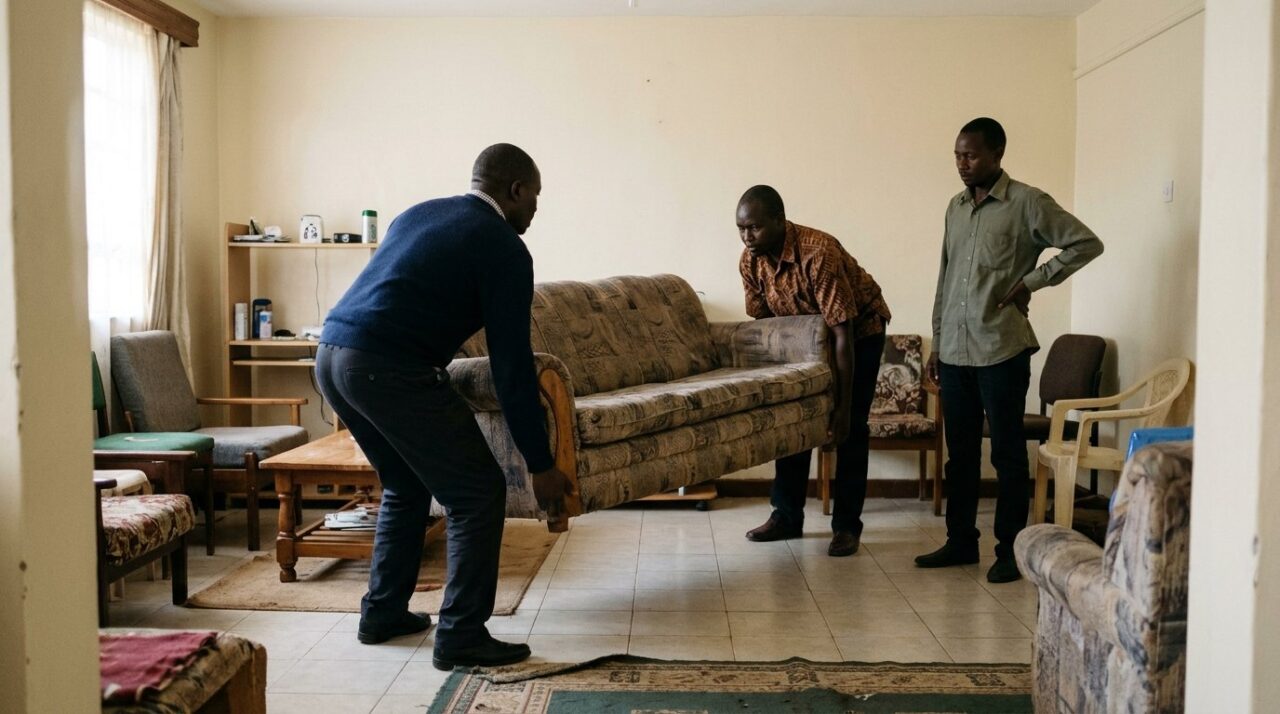
For example, taking a deceased person’s sofa for your own home without legal authority falls within the rule. So does disposing of their vehicle without legal authority. These may look like ordinary actions involving household belongings, but the fact that the owner has died makes it important to stop and check the legal position.
The rule is not simply about whether somebody wants an item or believes they should have it. It concerns taking or disposing of a deceased person’s property without legal authority.
What must happen before distribution?
A grant of representation from the High Court is an example of legal authority. Before the estate may be divided among those claiming it, the court must have issued a grant and authorised distribution.
Keep both requirements in mind. Asking whether a grant has been issued is not the same as asking whether the court has authorised distribution. Do not treat the first question as answering the second.
What can you do before taking action?
If you are considering taking or disposing of a deceased person’s property, pause and check what legal authority exists. Useful practical steps include:
- Keep a record of the property you are concerned about.
- Keep copies of any relevant court papers available to you.
- Ask to see the authority being relied on, rather than relying only on a verbal explanation.
- Speak to an advocate if you are unsure what the papers allow.
Before any division of the estate, check both points: has the court issued a grant, and has it authorised distribution?
Entertainment and general information, not legal advice. For advice on your own situation, speak to an advocate.