
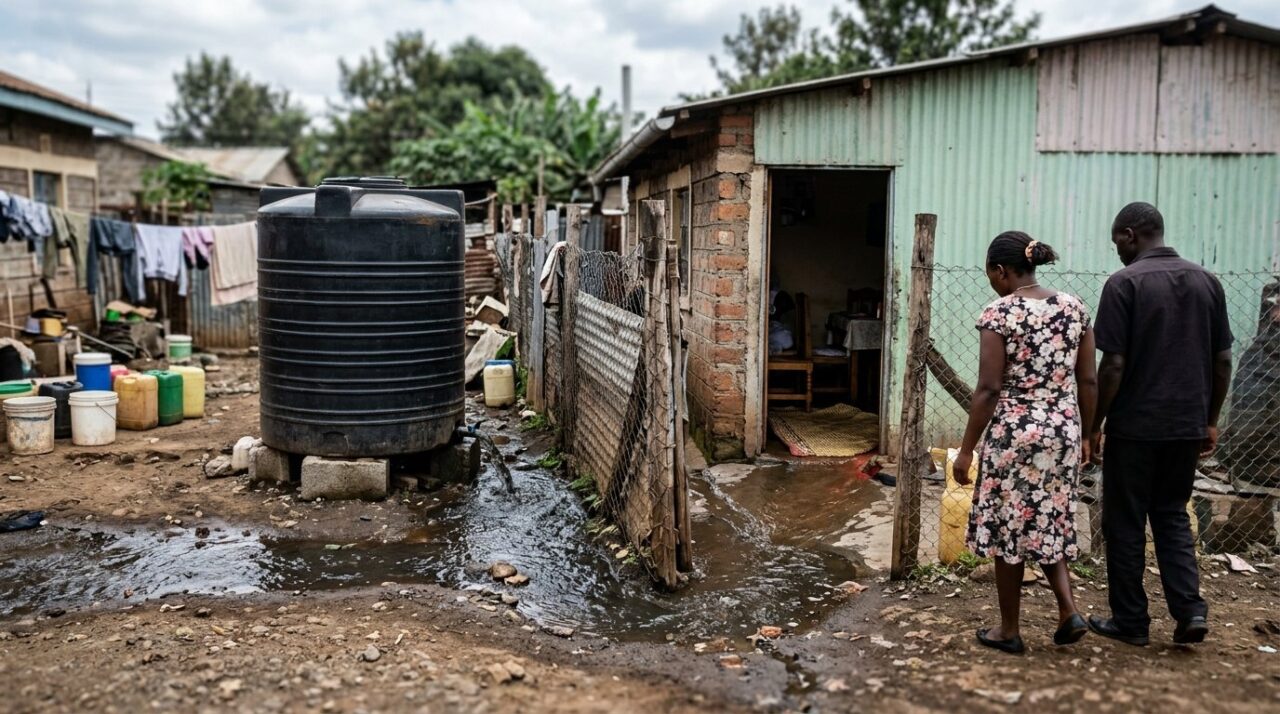
A person can be responsible for damage to a neighbour when something harmful escapes from their land. Under the rule in Rylands v Fletcher, this applies where a person brings something onto their land and keeps it there, it is likely to do harm if it escapes, and keeping it there amounts to a “non-natural use” of the land.
What does the rule cover?
Kenyan courts apply this rule as part of the common law of tort: rules about civil wrongs that can make one person responsible for harm to another.
The rule concerns a person who brings onto their land and keeps there something likely to do harm if it escapes, in a non-natural use of the land. That person is liable for damage caused to a neighbour when it escapes. “Liable” means legally responsible.
Each part matters. It is not enough simply to point to damage next door. The question also concerns what was brought onto the land and kept there, whether it was likely to cause harm if it escaped, whether the use was non-natural, and whether its escape caused the neighbour’s damage.
How does this relate to flooding?
Water escaping from adjoining land can leave a neighbour dealing with wet floors, damaged furniture or ruined belongings. Those are everyday examples of the harm that flooding can cause.
But the presence of water and damage does not, by itself, explain whether this particular rule applies. The circumstances must fit the rule, including the requirement for a non-natural use of the land. Do not assume that every instance of water crossing a boundary has the same legal answer.
What can you record?
If water has entered your property, take photographs of where it appears to have come from, its route and the damage. Keep copies of any messages exchanged with the neighbour, and note what you personally saw rather than guessing about the source.
These records can help you explain the situation clearly when speaking to the neighbour or an advocate. Keep the focus on what escaped, where it came from and what damage it caused.
Entertainment and general information, not legal advice. For advice on your own situation, speak to an advocate.